

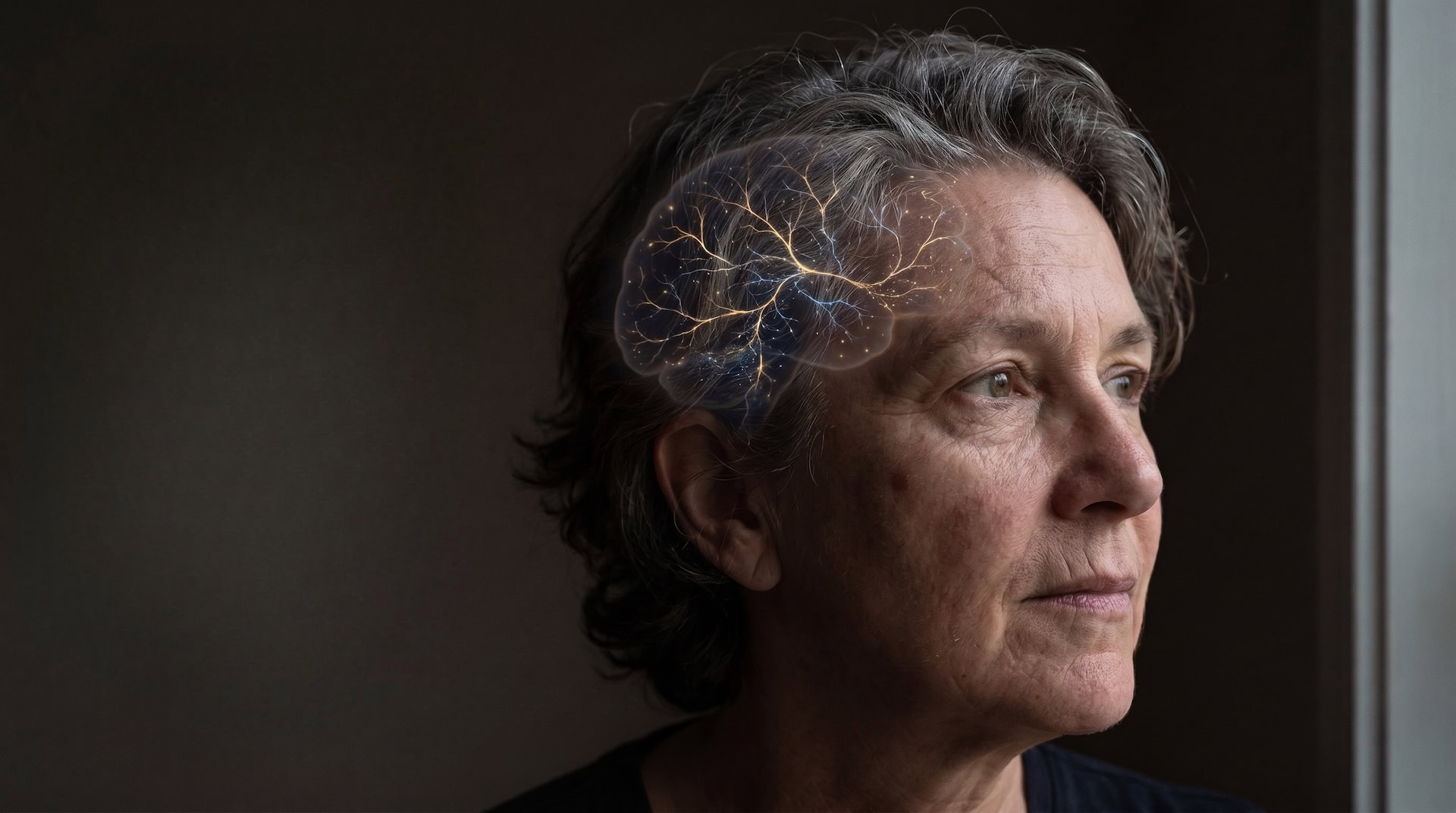
First published in The Star in 2021, this column reflected my decision to never retire. Today, in my 60s, I am living proof of how neuroplasticity and lifelong learning keep us vibrant, reminding us that your brain only stops growing when you stop challenging it.
Many people ask me when I plan to step back, put my feet up, and retire. I always tell them the same thing: as long as my mind, body, and spirit allow me, I will keep going. If anything, I feel sharper, more vibrant, and more “plastic” than I did when I first wrote about the brain five years ago.
Some look at me in utter disbelief. They wonder why on earth anyone in their 60s would choose to keep training, coaching, and building lives when they could be sipping cold drinks on a beach somewhere.
Well, doing nothing sounds like a living death to me. But more than that, I refuse to let my neural connections wither away.
The Static Brain Myth We Need to Leave Behind
For decades, we were fed a lie about human potential.
Old conventional wisdom insisted that the adult brain was fixed. We were told that we were born with a set number of neurons, and that after a certain age, it was all downhill—a slow, inevitable slide into cognitive decline. Genetics had drawn the boundary, and we just had to accept it.
Science has completely shattered that myth through the phenomenon of neuroplasticity.
Your brain possesses an incredible, lifelong capacity to rewrite its own internal map. Every single time you adopt a new way of thinking, old neural pathways begin to dissolve and fresh ones branch out to take their place.
You are not locked into your genetic inheritance. How you use your mind today determines how sharp, creative, and resilient it remains tomorrow.
Lessons from a Free Spirit: Refusing to Conform
When my late husband, KP Waran, and I ran our consultancy, Human Equation, he lived as a true maverick.
Waran was someone who utterly refused to let rigid traditions or fear dictate how he lived. He threw himself into life with unbridled passion—whether he was reporting from war zones, coaching rugby to toddlers, or cooking up wildly experimental meals in our kitchen.
He used to challenge me continuously: “Why blindly follow someone else’s rules? If it doesn’t make sense, forge your own path.” I explored many of these very insights and life reflections in my book, Lessons from an Eagle, where Lesson 16 reminds us of the power of shedding outdated expectations to create traditions that actually empower us.
Living alongside a man who lived so authentically taught me a profound lesson about cognitive vitality:
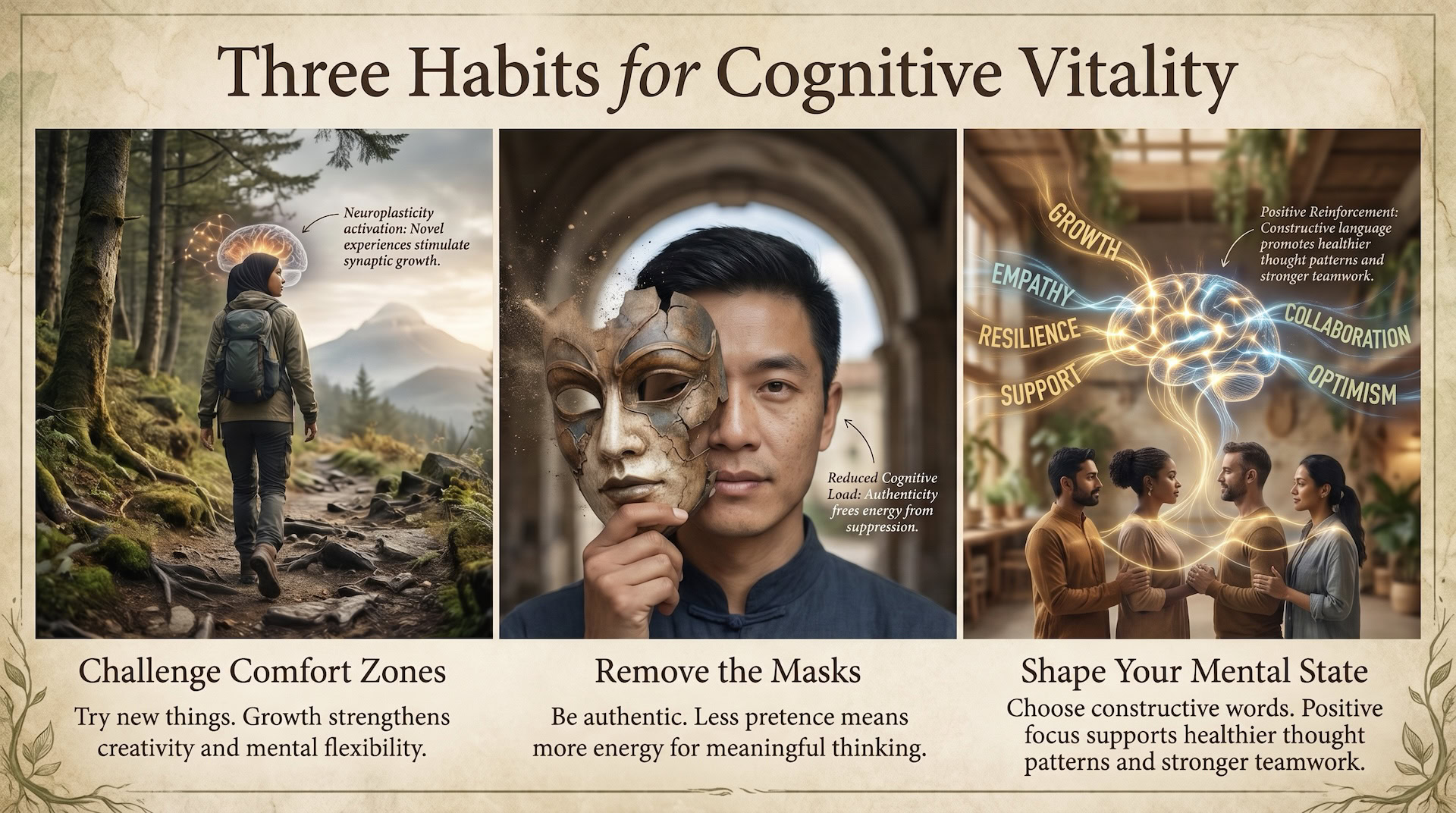
1. Challenge Your Comfort Zones
Waran didn’t care about looking silly when learning something new. When we stop stretching ourselves out of fear of failure or social judgement, our world shrinks—and so does our mental capacity. Taking up mixed-media acrylic painting and constantly tackling new disciplines hasn’t just kept me busy; it has elevated my ability to solve complex corporate problems for my clients.
2. Drop the Masks You Wear
Trying to play a role or fit into pre-packaged expectations drains immense mental energy. Being comfortable in your own skin removes unnecessary psychological stress, freeing up your cognitive bandwidth for creative, high-value thinking.
3. Words and Energy Rewire Your State
Waran hated negative whinging and gossip with a passion. He knew that what you focus on is what you project. If you spend your days complaining, your brain physically builds robust maps for processing negativity. Shift your narrative, speak life into your endeavours, and your neural architecture will follow.
Similarly, when teams learn to align their words, state, and strategy, as we explore in our Communication & Influence Training, they unlock a higher level of performance.
You Are the Architect of Your Mind
Ageing is inevitable, but cognitive stagnation is a choice.
Whether it is picking up a complex instrument, learning a new language, stepping into a ballroom, or simply choosing to view a difficult business challenge through an optimistic lens, your brain flourishes when you demand more from it.
“Your mind does not care how many birthdays you have celebrated; it only cares how often you dare to spark a new neural connection.”
You hold the pen to your own story. Do not let arbitrary milestones tell you when it is time to slow down or stop learning.
Frequently Asked Questions
How Do Neuroplasticity and Lifelong Learning Prevent Cognitive Decline?
For a long time, traditional medicine told us that our brain structure was fixed after early adulthood, but modern neuroscience has proven that wrong. Every time you engage in deliberate learning—whether that is picking up a complex new language, taking up mixed-media art, or challenging yourself with a new professional framework—your brain forms fresh neural connections and grows new pathways. You are actively physically restructuring your brain. Keeping your mind engaged and open to novel experiences creates cognitive reserve, which keeps your thinking agile, sharp, and resilient well into your sixties, seventies, and beyond.
What Are Simple Daily Habits That Support Neuroplasticity in Mid-Career Professionals?
You do not need to overhaul your entire lifestyle overnight; small, deliberate changes to your routine yield massive neuroplastic benefits. Start by challenging your mind with deliberate novelty: learn a few words in a foreign language daily, practice fine-motor tasks with your non-dominant hand, or switch up your physical exercise routines. Beyond mental exercises, managing your mental state by eliminating negative gossip, actively reframing daily friction into positive learning opportunities, and engaging in physical movements like dancing or intermittent fasting all stimulate brain health and promote neural growth.
Is It Ever Too Late in Life to Rewire Your Brain and Adopt a Growth Mindset?
It is never too late, provided oxygen and blood are still flowing through your body. Studies and real-world experience continuously show that individuals who remain mentally active and open to fresh perspectives can adapt and build new thought habits at any age. In fact, when you deliberately adopt new modes of positive thinking, old negative pathways begin to shrink while new, constructative maps strengthen. Science shows that in as few as 21 days, targeted, repetitive practice can wire a completely new mindset into your brain.


