

In high-growth business environments, functional competence alone is rarely enough to guarantee organisational success. True competitive advantage stems from how seamlessly cross-functional units collaborate, communicate, and align under pressure—a core requirement when building high-performing teams. When interpersonal friction, unspoken assumptions, or a lack of accountability take root, even the most talented groups experience operational slowdowns.
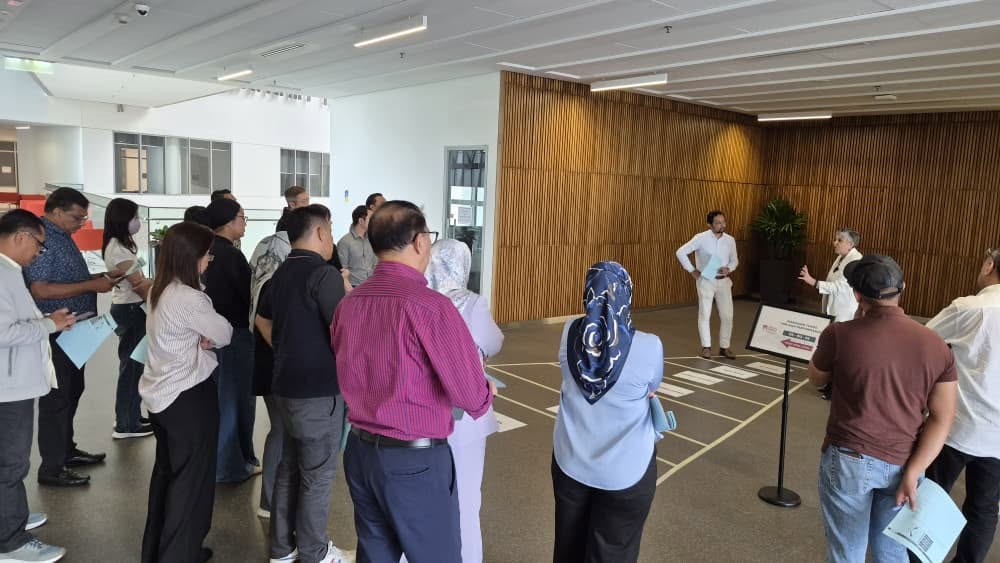
To address these fundamental workplace dynamics, Human Equation recently facilitated an engaging session for 25 participants as part of the Asia School of Business (ASB) Open Enrolment Programme. Titled around the principles of building high-performing teams, the interactive workshop provided leaders, managers, and enterprise professionals with practical tools to transform workplace dysfunctions into strong, trust-based collaborative frameworks.
Building High-Performing Teams: Overcoming Workplace Dysfunctions
A core highlight of the workshop was unpacking Patrick Lencioni’s renowned Five Dysfunctions of a Team framework. Participants explored the root causes of systemic team breakdowns—ranging from an absence of trust and fear of conflict to a lack of commitment, avoidance of accountability, and inattention to collective results.
Through reflective discussions and structured peer coaching, the cohort analysed how these subtle dysfunctions manifest in everyday corporate workflows and learned actionable steps to establish foundational trust within their respective organisations.
Shifting Mindsets: Operating at ‘Cause’ Rather Than ‘Effect’
Beyond structural team models, the programme emphasised individual behavioural transformation. Central to Human Equation’s pedagogical approach is helping leaders shift their cognitive orientation from passive reactivity to proactive ownership.
The session introduced practical frameworks designed to help participants:
- Operate at Cause Rather Than Effect: Transitioning away from external blame and taking full accountability for operational outcomes and interpersonal dynamics.
- Mitigate Unconscious Biases: Making objective, data-backed decisions rather than relying on unexamined assumptions or emotional projections.
- Drive Mutual Accountability: Establishing clear psychological safety and communication channels so team members can hold each other accountable to shared performance standards.
The workshop’s energy, paired with the participants’ willingness to engage in honest self-reflection, resulted in a powerful learning experience. By partnering with the Asia School of Business, Human Equation continues its mission of equipping professionals across diverse industries with the behavioural and strategic tools needed to foster intentional, high-trust team cultures.
About the Programme
For organisations looking to navigate major operational transitions with minimal friction, embedding these principles across all leadership tiers is crucial. Explore how Human Equation’s HRD Corp-claimable Change Management Training helps enterprises turn strategic shifts into sustained cultural alignment and team adoption.
Frequently Asked Questions
What are the core pillars of building high-performing teams?
Building high-performing teams requires moving beyond technical skill matching to cultivate psychological trust, clear strategic alignment, active accountability, and a shared focus on collective results. By addressing common structural dysfunctions—such as fear of constructive conflict or ambiguity in commitment—organisations can build resilient teams that adapt quickly to strategic shifts.
How does Patrick Lencioni’s Five Dysfunctions model help corporate teams?
Patrick Lencioni’s model provides a diagnostic framework that identifies the five key breakdown points in team dynamics: Absence of Trust, Fear of Conflict, Lack of Commitment, Avoidance of Accountability, and Inattention to Results. Utilising this framework allows leaders to pinpoint the precise behavioural bottleneck in their department and apply targeted interventions to restore team velocity.
What does operating at ‘Cause rather than Effect’ mean in leadership training?
Operating at ‘Cause’ means taking complete personal ownership of outcomes, communication quality, and workplace relationships, rather than attributing failures to external circumstances or other people (‘Effect’). In leadership training, this mindset shift equips individuals to replace blame with proactive problem-solving. To explore this concept further, read our deep dive on Operating at Cause Instead of Effect to see how taking ownership transforms workplace dynamics.
Can Human Equation deliver customised team-building and leadership programmes for intact corporate teams?
Yes. While this session was delivered under the Asia School of Business Open Enrolment structure for individual participants, Human Equation frequently designs custom, in-house interventions for intact enterprise teams. These bespoke programmes are tailored around your organisation’s specific cultural dynamics, alignment challenges, and strategic goals.


